
🗺️ Must See Places & Attractions in Kaohsiung
Most of the time, when we hear Taiwan, the first place that comes to mind is Taipei and the popular spots around it. And honestly, that’s exactly what we thought too, until we explored the other side of Taiwan, the south, where Kaohsiung is located.
Little did we know that Kaohsiung offers a completely different vibe: more relaxed, less crowded, and surprisingly easy to explore. With its efficient MRT and LRT system, scenic waterfronts, cultural landmarks, night markets, and even a nearby island, Kaohsiung made us realize why this southern city is worth visiting especially for DIY and first-time travelers.
If you’re curious about what makes Kaohsiung special, these are the must see places and attractions in Kaohsiung that convinced us not to skip southern Taiwan on our trip.
Cijin Island
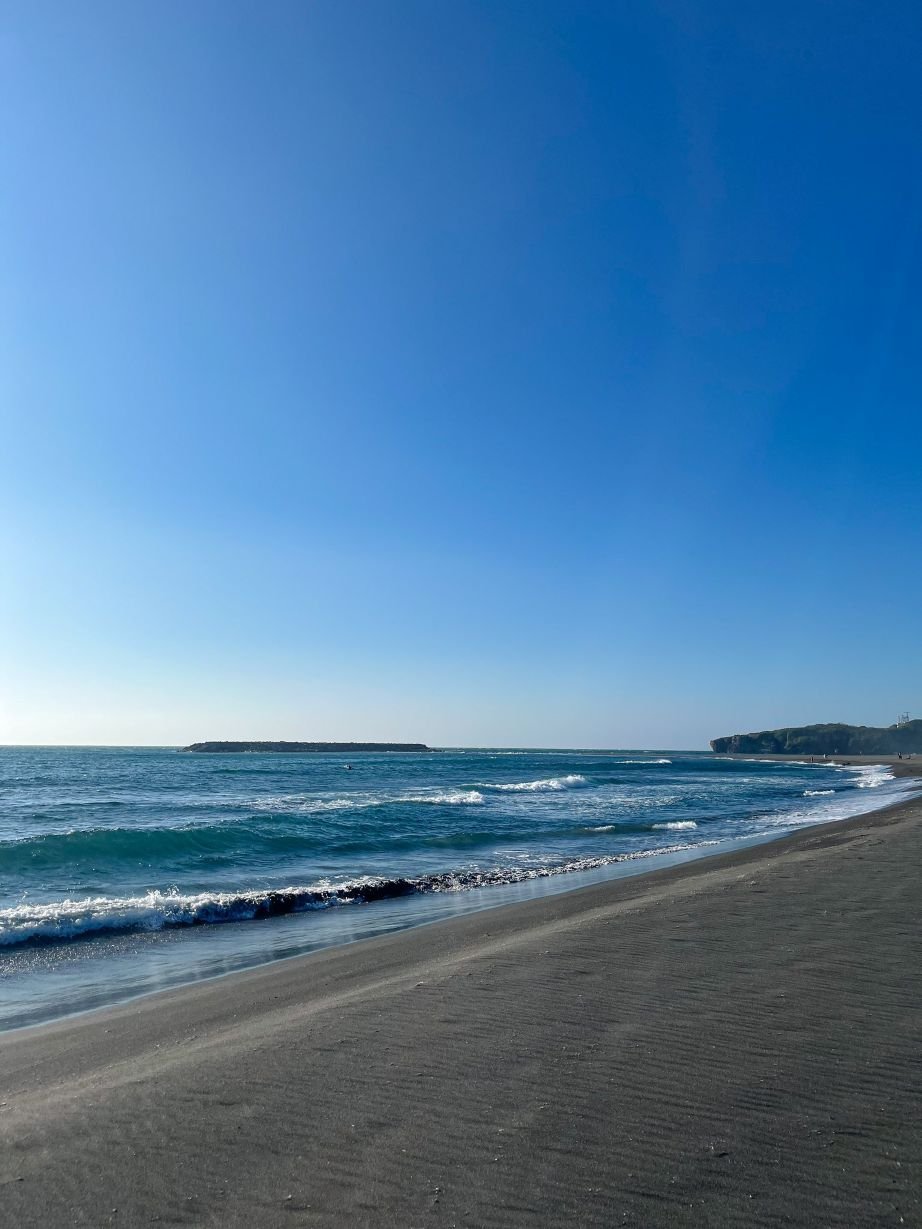
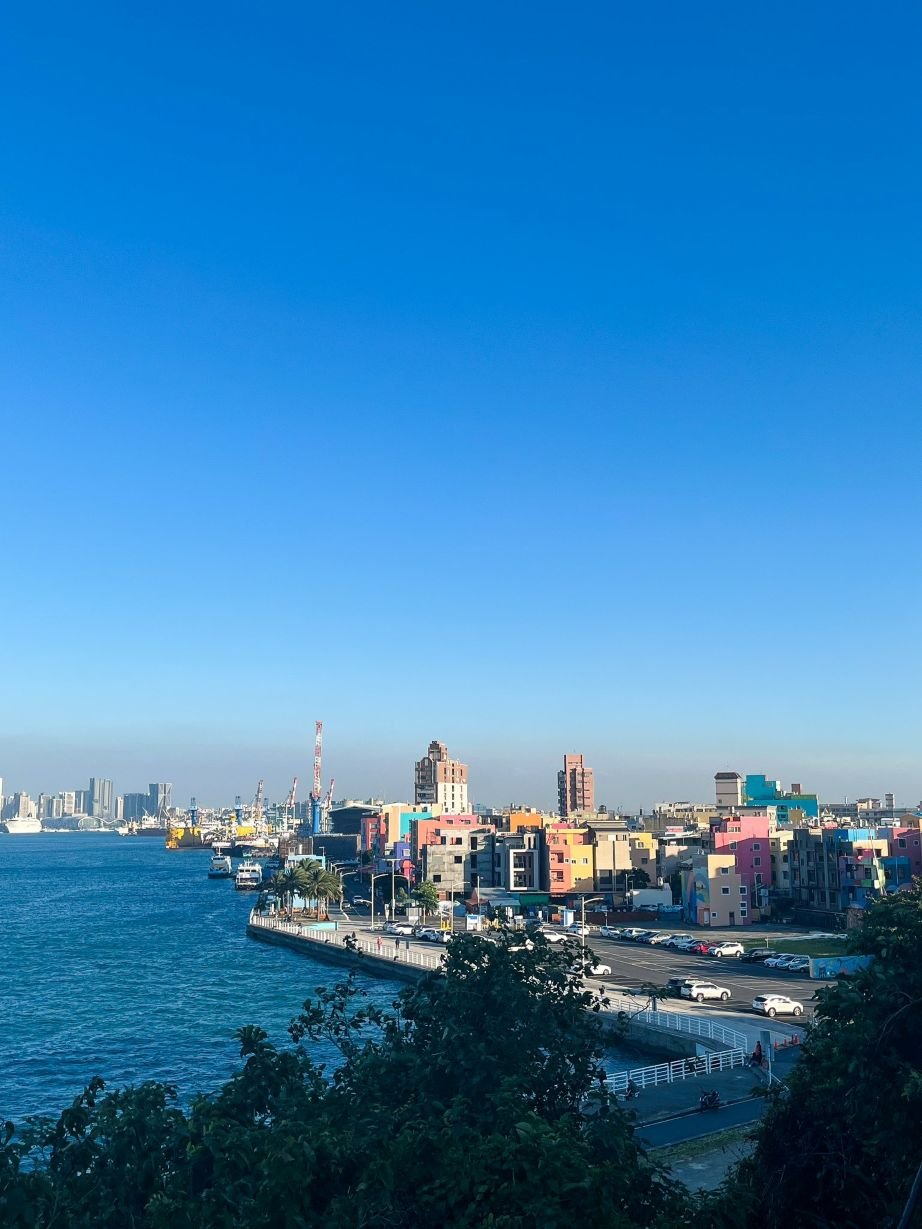
If you want to experience why Kaohsiung feels different from other major cities in Taiwan, start with Cijin Island. Just a short ferry ride from the city, this island gives you beach vibes, seafood, bike paths, and sunset views, all in one super relaxing stop.
One of the best things about visiting Cijin Island is how easy and accessible it is. From Gushan Ferry Pier, the ferry fare is only 30 NTD, and the pier is conveniently located near the Pier-2 Art Center area, making it easy to combine both spots in one day.
Why Cijin Island is worth visiting:
-
Quick island escape without leaving the city
-
Very relaxed and laid-back atmosphere
-
Flat roads that are perfect for biking
-
Fresh seafood and street food everywhere
Bike rental tips (highly recommended):
-
E-bike rental costs around 300–400 NTD per hour (good for 2 persons)
-
For groups of more than 2, there are larger e-bikes that cost around 500 NTD per hour or more
-
You can comfortably explore most of the island in around 2 hours or more using a bike
Biking around the island is honestly the best way to enjoy Cijin. You can go at your own pace, stop for photos, and just enjoy the sea breeze, no rush, no stress.
Don’t miss:
-
Cijin Old Town, which is the best area for food
-
Tons of street food stalls, especially fresh seafood
-
Exploring late afternoon until sunset for the best views
Overall, Cijin Island is one of the most relaxing places in Kaohsiung and a great introduction to southern Taiwan—especially if it’s your first time visiting the city.
🌈 Formosa Boulevard Station – Dome of Light
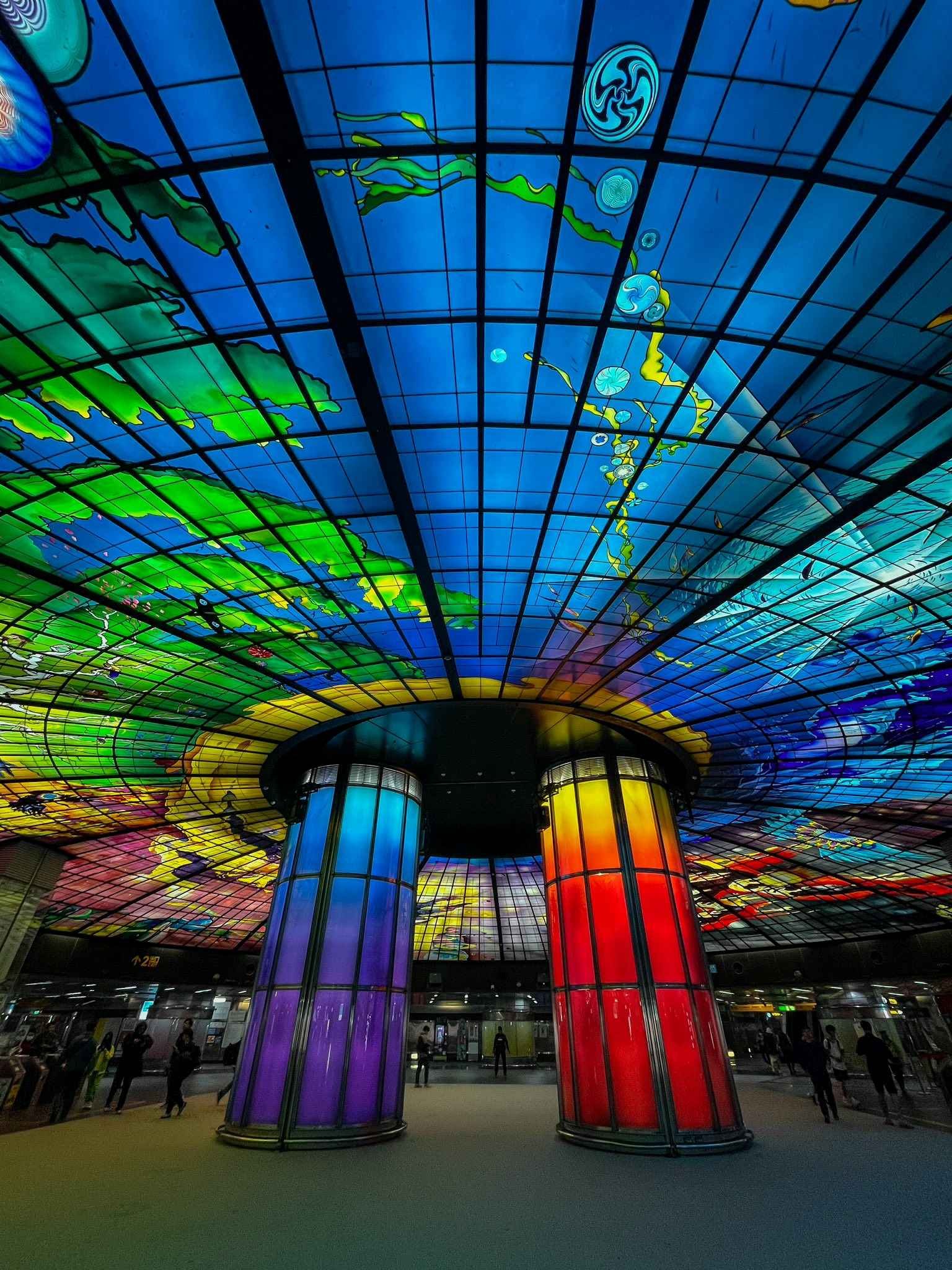
Even if you’re not big on museums or art spaces, the Dome of Light is something you shouldn’t skip—mainly because you don’t need to go out of your way to see it. It’s located inside Formosa Boulevard MRT Station, one of Kaohsiung’s main transport hubs.
The Dome of Light is known as one of the most beautiful MRT stations in the world, featuring a massive stained-glass ceiling that represents themes like life, love, and hope. Seeing it in person really makes you pause even if you’re just transferring trains.
Why the Dome of Light is worth visiting:
-
One of the most iconic landmarks in Kaohsiung
-
Completely free and indoors (perfect any time of day)
-
Easy MRT stop. You’ll likely pass through it anyway
-
Great quick photo spot without needing extra travel time
Quick tips:
-
Best seen when the station isn’t too crowded (midday or late evening)
-
Look up and walk toward the center of the station to fully appreciate the artwork
-
Great stop to pair with Liuhe Night Market, which is just one MRT station away
This stop may be quick, but it really shows how modern and creative Kaohsiung is, making it a must-see especially for first-time visitors exploring the city by MRT.
Liuhe Night Market
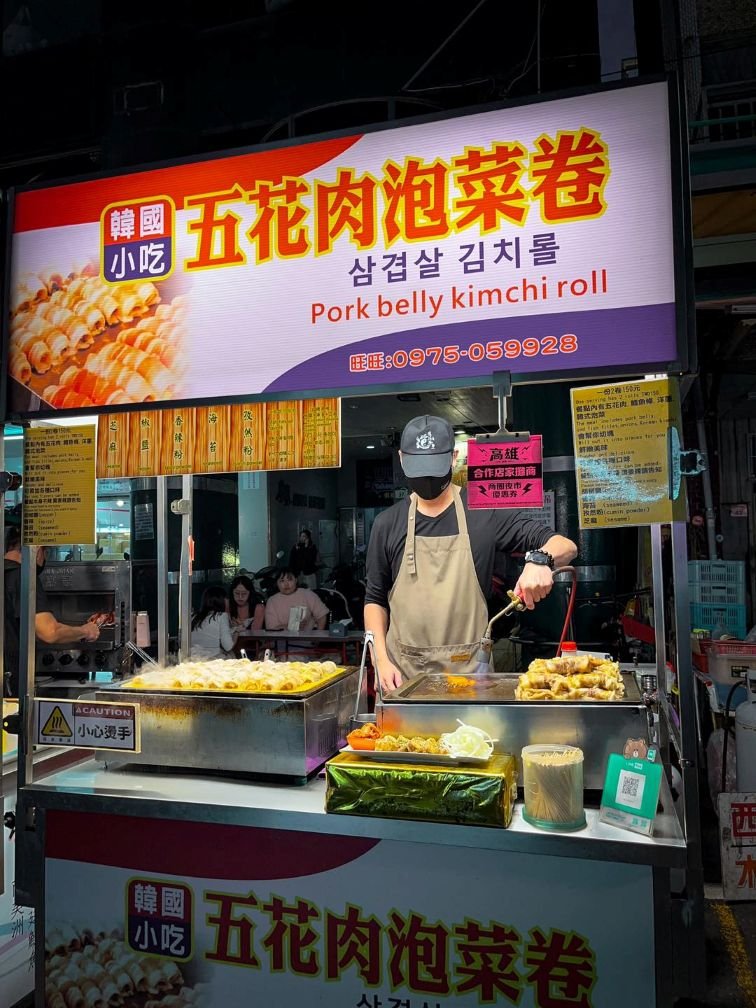
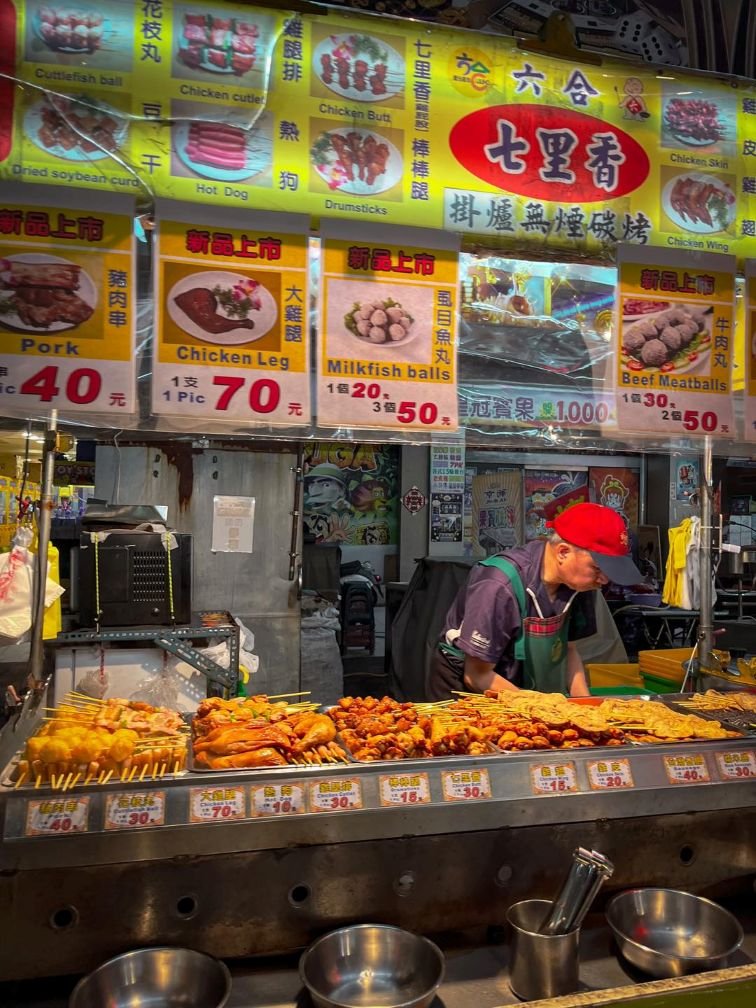
If it’s your first time in Kaohsiung, Liuhe Night Market is the best place to start your night market experience. It’s centrally located, easy to navigate, and very beginner-friendly—perfect if you don’t want to feel overwhelmed on your first night.
One big reason why Liuhe is so convenient is its location. It’s just a short walk from Formosa Boulevard MRT Station, where you can also see the Dome of Light. This makes it super easy to visit both attractions in one stop—check out the Dome of Light first, then walk straight to Liuhe for dinner.
Compared to night markets in Taipei, Liuhe feels more relaxed and organized, with wider walkways and plenty of seating. This makes food hopping more enjoyable, especially after a full day of exploring the city.
Why Liuhe Night Market is worth visiting:
-
Walking distance from Formosa Boulevard MRT Station
-
Easy to pair with the Dome of Light
-
Clean, organized, and not too chaotic
-
Great mix of Taiwanese street food and fresh seafood
Must-try food at Liuhe Night Market:
-
Fresh grilled seafood (shrimp, squid, scallops)
-
Papaya milk and other fruit drinks
-
Taiwanese sausages
-
Grilled corn and classic night market snacks
Quick tips:
-
Best time to visit is around 7:00–9:00 PM
-
Bring small bills and cash for easier transactions
-
Come hungry—food portions are generous 😅
Liuhe Night Market is a perfect way to end the day—good food, easy access, and a relaxed vibe. Pairing it with the Dome of Light is one of the easiest and most enjoyable ways to experience Kaohsiung at night, especially for first-time visitors.
🎨 Pier-2 Art Center
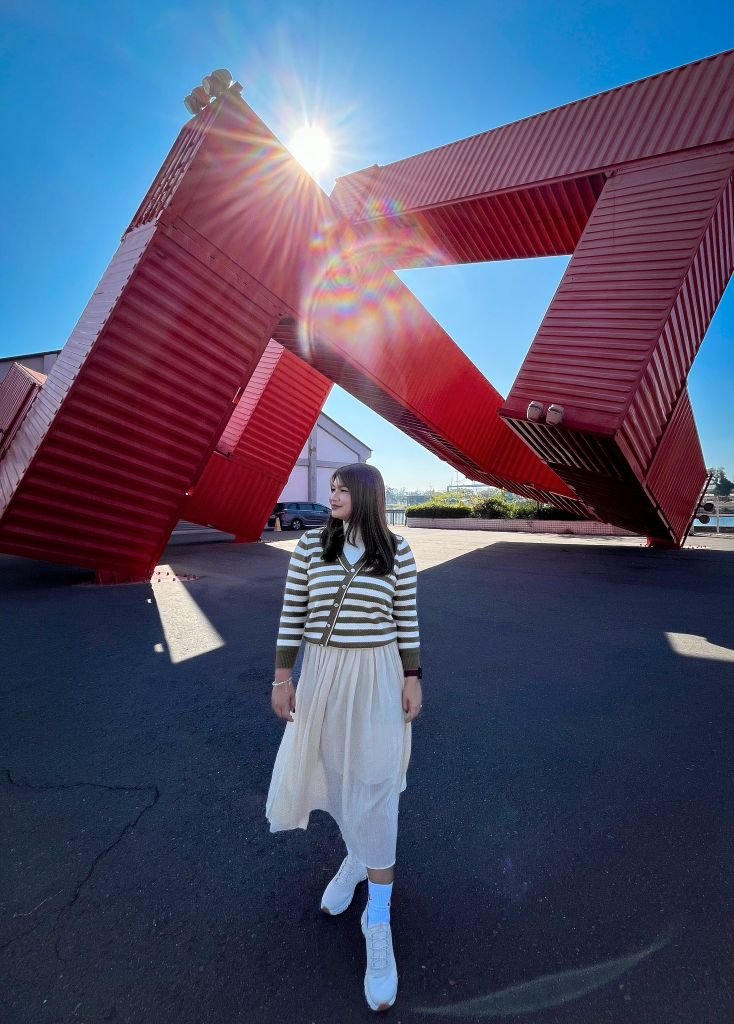
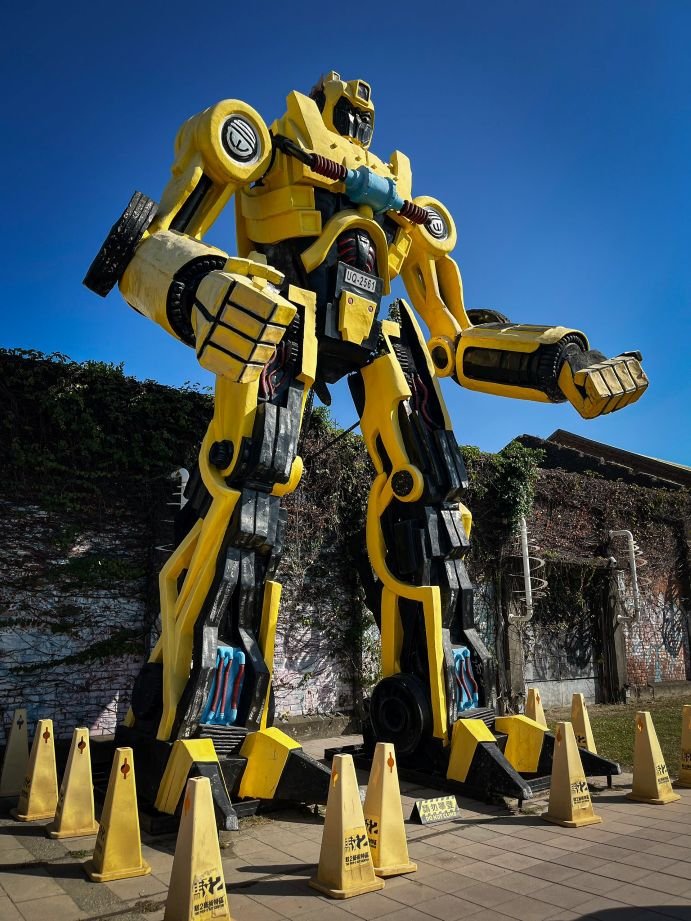
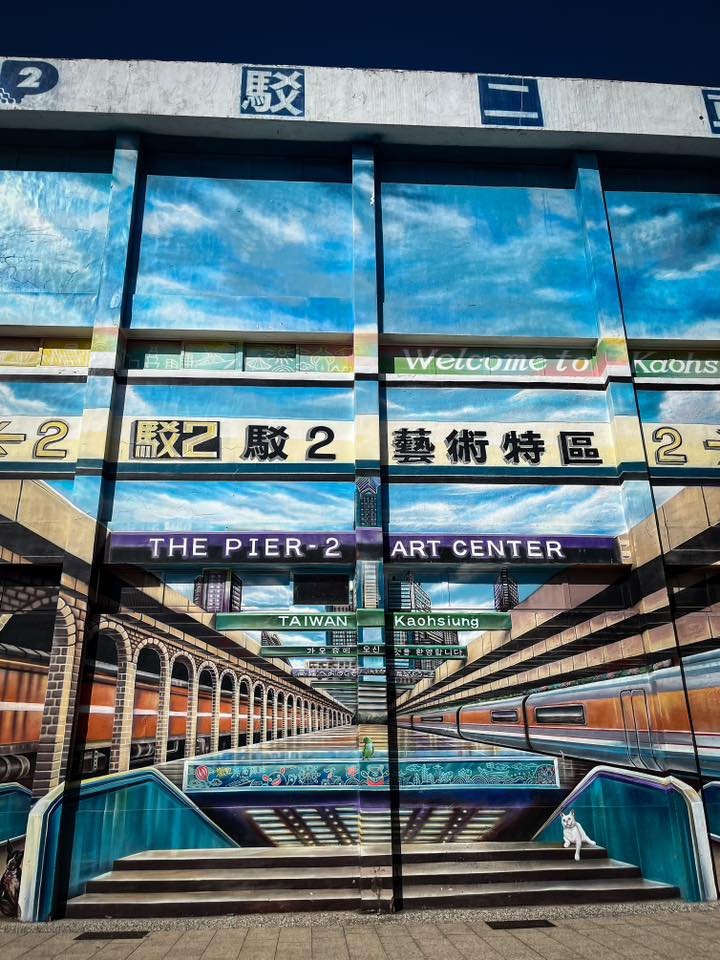
If you’re looking for a place that shows Kaohsiung’s creative and laid-back side, Pier-2 Art Center is a must-visit. What used to be old warehouses has been transformed into a vibrant art district filled with murals, large-scale installations, cafés, and open spaces. Perfect for slow walking and photo stops.
Pier-2 is very different from the busy city center. The area feels open, chill, and not rushed, making it a great break from sightseeing-heavy days. It’s also one of the most photogenic places in Kaohsiung, especially if you enjoy street art and modern creative spaces.
Why Pier-2 Art Center is worth visiting:
-
Unique outdoor art installations and murals
-
Relaxed walking area with lots of space
-
Cafés, pop-up shops, and creative stores
-
Great spot for photos and sunset strolls
Quick tips:
-
Best visited in the late afternoon when it’s cooler
-
Wear comfortable shoes 'cause there’s a lot of walking
-
Some exhibits change, so every visit can feel different
Because of its location, Pier-2 Art Center is also easy to combine with other attractions like the harbor area or a trip to Cijin Island, making it a flexible stop in your Kaohsiung itinerary.
Pier-2 really highlights why Kaohsiung feels different from other cities in Taiwan, creative, spacious, and easygoing. It’s one of those places where you can slow down, explore freely, and just enjoy the vibe.
🌉 Love River
Love River is one of those places that shows why Kaohsiung feels more relaxed compared to other big cities in Taiwan. Instead of busy streets and crowds, you’ll find wide walkways, calm river views, and locals simply enjoying the evening breeze.
This area is best visited in the late afternoon or at night, when the lights along the river start to glow and the temperature becomes cooler. It’s perfect for a slow walk after dinner, especially if you want to unwind after a full day of sightseeing.
Why Love River is worth visiting:
-
Peaceful walking paths with scenic views
-
Beautiful atmosphere at night
-
Popular spot for couples and families
-
A nice break from busy tourist attractions
Things you can do here:
-
Take a relaxed evening stroll along the river
-
Enjoy the city lights reflecting on the water
-
Try a short river boat ride if you want a different perspective
-
Sit by the river and people-watch like a local
Love River isn’t about rushing from one attraction to another it’s about slowing down and enjoying the moment. For us, it perfectly represents Kaohsiung’s laid-back charm and is one of the best places to end the day.
🐉 Lotus Pond & Dragon and Tiger Pagodas
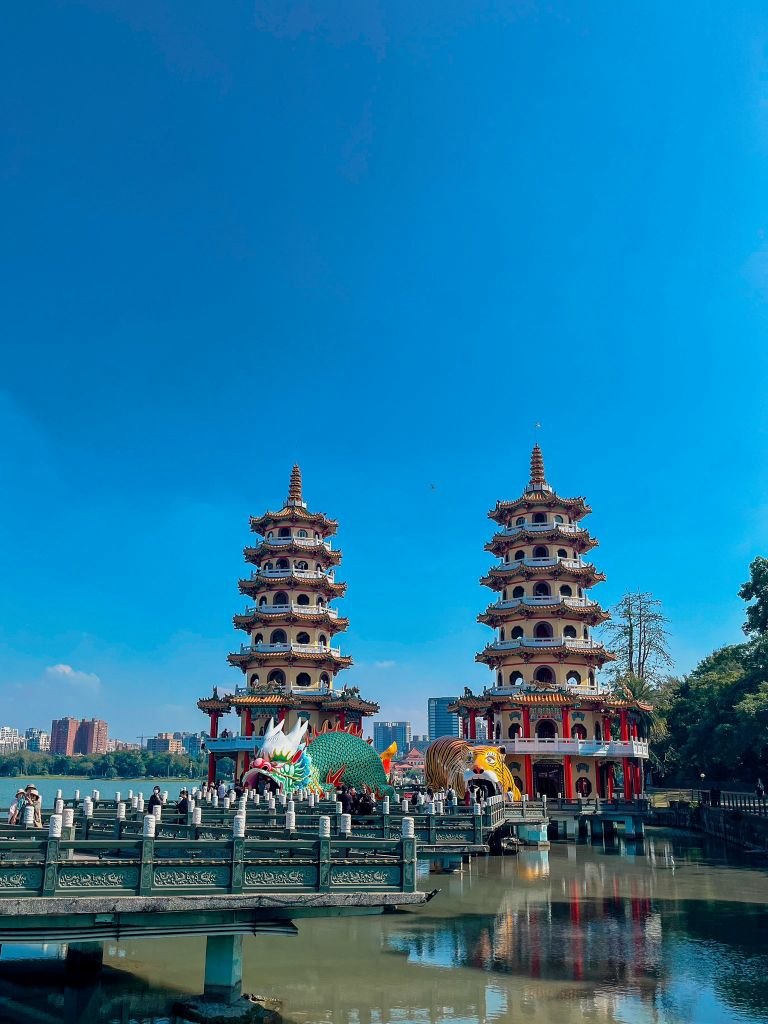
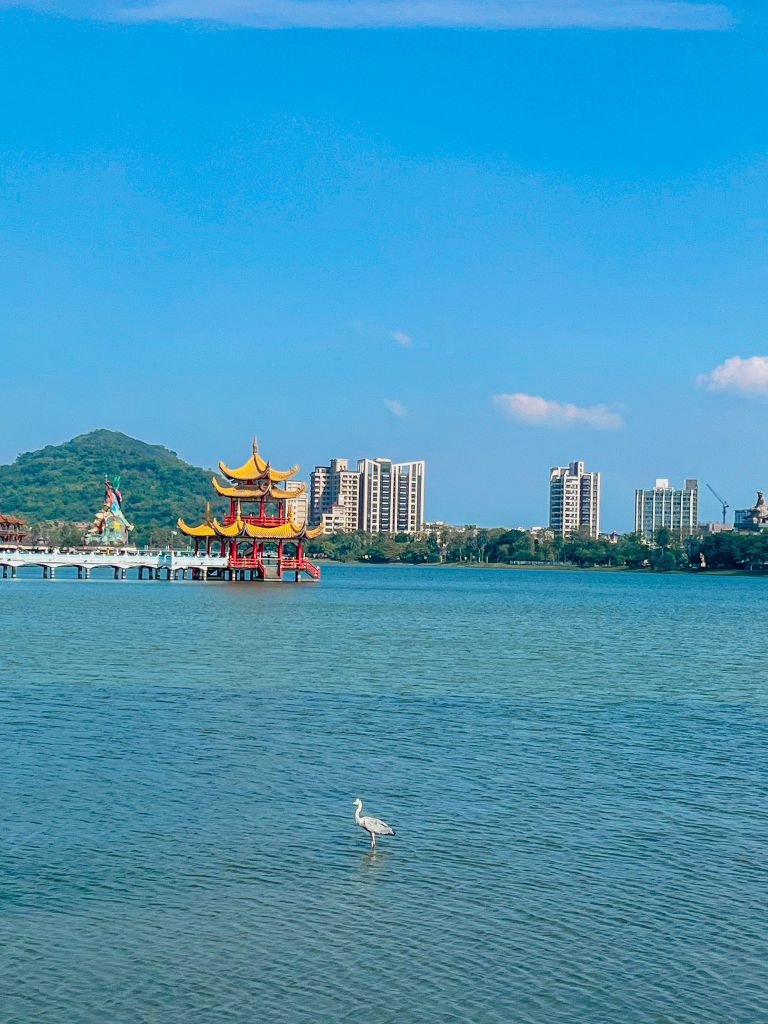
If you want to see the cultural and traditional side of Kaohsiung, Lotus Pond is the place to go. Located in the Zuoying area, this scenic lake is surrounded by temples, pagodas, and walking paths, making it very different from the modern parts of the city.
The highlight here is the Dragon and Tiger Pagodas, one of the most iconic landmarks in Kaohsiung. According to local belief, visitors should enter through the dragon’s mouth and exit through the tiger’s mouth symbolizing turning bad luck into good fortune. Even if you’re not big on symbolism, the experience itself is fun and memorable.
Why Lotus Pond is worth visiting:
-
Strong cultural and spiritual atmosphere
-
Home to Kaohsiung’s most famous pagodas
-
Scenic lake views with temples all around
-
Great contrast to the city’s modern attractions
Things to know before you go:
-
Best visited early morning or late afternoon to avoid the heat
-
Wear comfortable shoes, there’s a lot of walking around the lake
-
Dress respectfully, as this is an active religious area
Walking around Lotus Pond feels calm and unhurried. You’ll see locals exercising, tourists taking photos, and the reflection of temples on the water, it’s peaceful and refreshing.
This stop really shows why Kaohsiung is more than just a port city. It adds depth to your trip and gives you a glimpse of Taiwan’s traditions alongside its modern lifestyle.
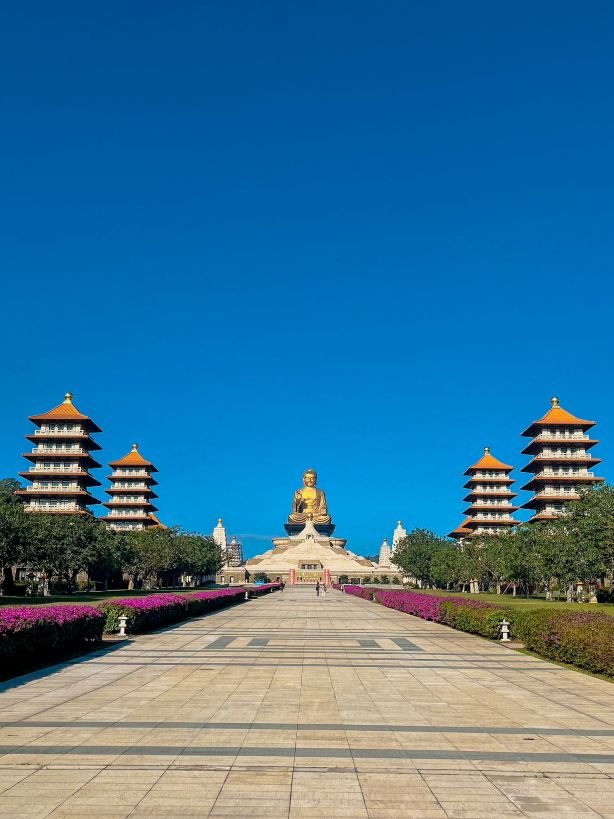
Fo Guang Shan Buddha Museum
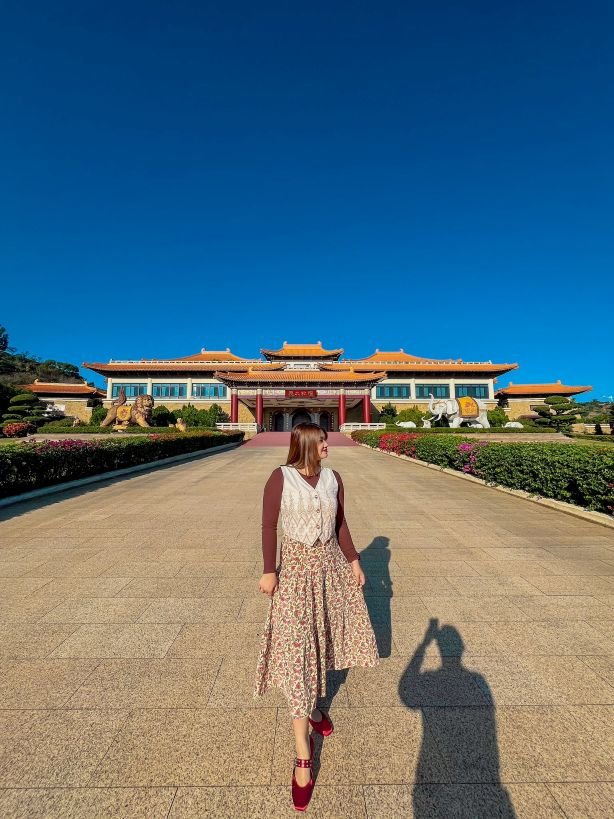
If you’re looking for a place that instantly makes you slow down and reflect, Fo Guang Shan Buddha Museum is one of the most impressive places you can visit in Kaohsiung. Located a bit outside the city center, this massive Buddhist complex feels worlds away from the busy streets and that’s exactly what makes it special.
The museum is home to a giant seated Buddha statue, wide open courtyards, and long walkways lined with pagodas and prayer halls. The scale of the place alone is enough to leave a strong impression, even if you’re not particularly religious.
Why Fo Guang Shan Buddha Museum is worth visiting:
-
One of the largest Buddhist temple complexes in Taiwan
-
Peaceful and well-maintained surroundings
-
Stunning architecture and mountain views
-
Free entrance, making it very budget-friendly
How to get there (important DIY tip):
-
From Zuoying Station, take Bus E02 going to Fo Guang Shan
-
Be sure to arrive early at the station
-
The bus runs only once every hour and does not allow standing passengers
When we visited, we actually missed the first bus, and the next one wouldn’t arrive for another hour. While waiting, a taxi driver offered a shared ride to several passengers, including us, for 150 NTD per person. Since we didn’t want to waste time waiting, we decided to grab the opportunity instead. It turned out to be a convenient and reasonable alternative.
Things to know before you go:
-
Dress modestly (covered shoulders and knees are recommended)
-
Be respectful—this is an active religious site
-
Set aside at least 2–3 hours to fully explore the area
Walking around Fo Guang Shan feels calm and grounding. You’ll notice how quiet the surroundings are, and it’s a great place to slow down and reset after days of city sightseeing.
This stop really highlights another side of Kaohsiung, spiritual, peaceful, and deeply cultural making it a meaningful addition to your itinerary, especially if you have extra time.
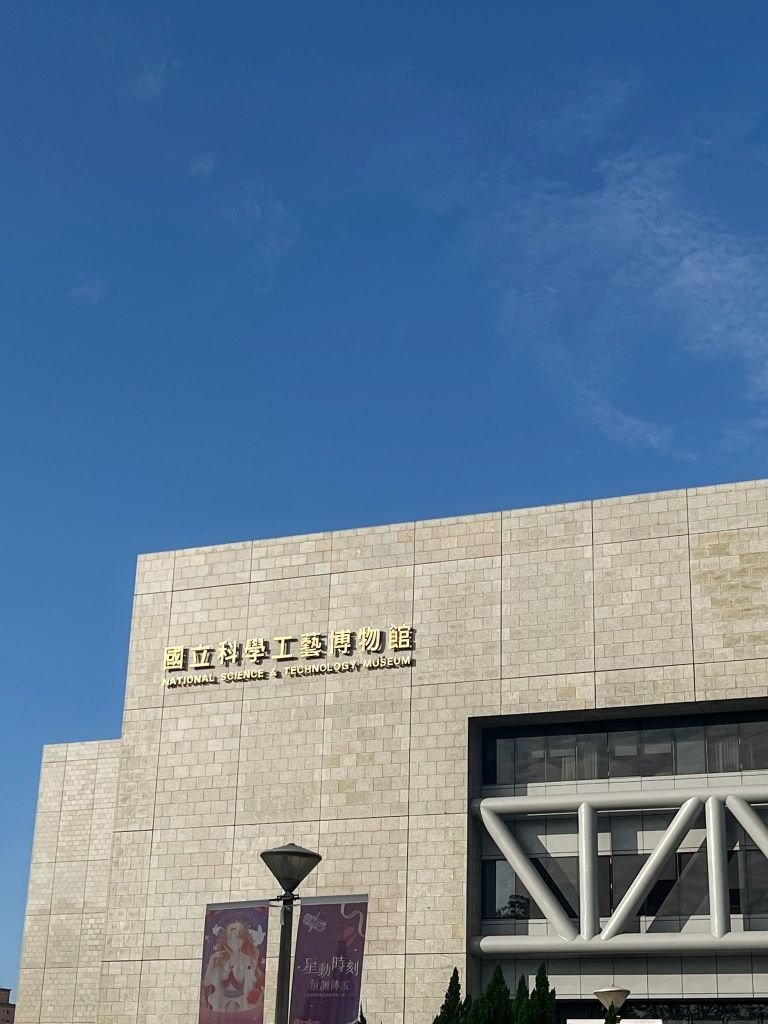
National Science and Technology Museum
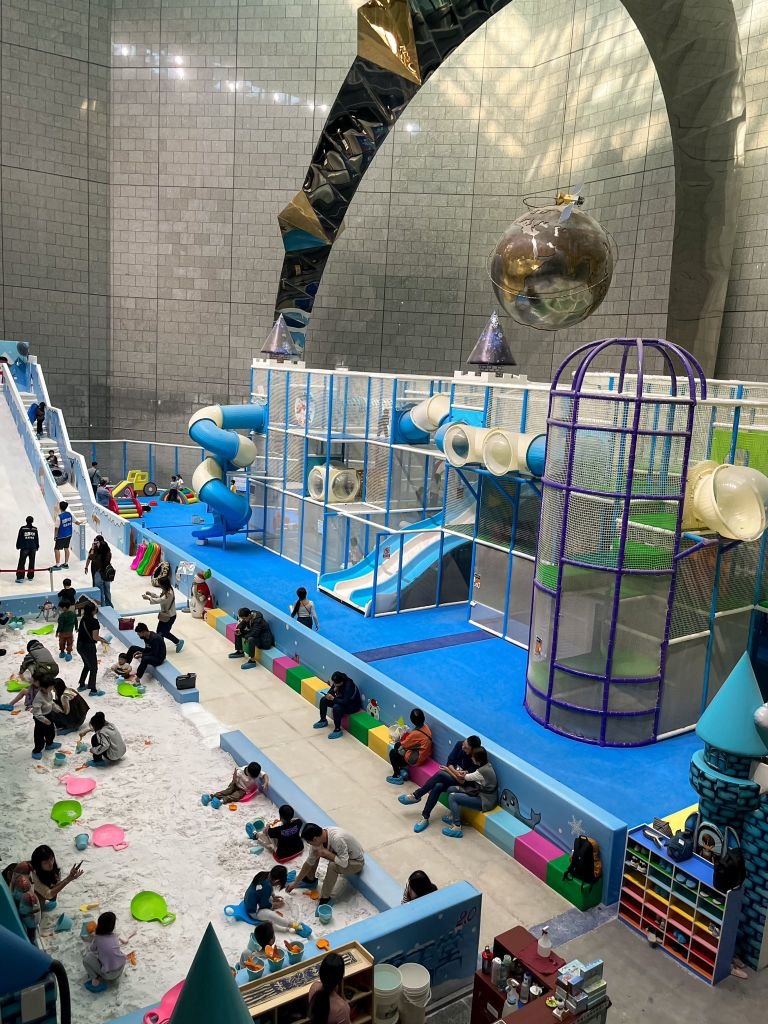
We personally enjoyed visiting the National Science and Technology Museum, and it turned out to be one of the more engaging museum stops in Kaohsiung. Even if you’re not super into science or technology, the museum is designed in a way that’s easy to enjoy, interactive, and surprisingly fun.
With just the General Ticket, which costs 100 NTD, there’s already a lot to see and explore. The general admission gives access to several exhibits that are hands-on, educational, and well laid out making it worth the visit on its own.
If you want to explore special or themed exhibitions, take note that these usually require a separate ticket with an additional fee. We actually liked this setup because it lets you decide how much time and budget you want to spend, depending on your interest.
Ticket overview:
-
General Ticket: 100 NTD (already worth it)
-
Access to multiple interactive and educational exhibits
-
Optional special exhibitions with separate fees
Why this museum is worth visiting:
-
Plenty of interactive and educational displays
-
Easy to enjoy even for non-science fans
-
A great indoor option during hot or rainy days
-
Well-suited for both adults and kids
This museum is a great option if:
-
You’re traveling with kids
-
You want something educational but still fun
-
You’re looking for an indoor attraction to balance outdoor sightseeing
For us, the National Science and Technology Museum was a refreshing change from temples and outdoor attractions. It’s easy to fit into a DIY Kaohsiung itinerary and adds variety to your trip—especially if you want to slow down while still learning something new.
🎭 National Kaohsiung Center for the Arts (Weiwuying)
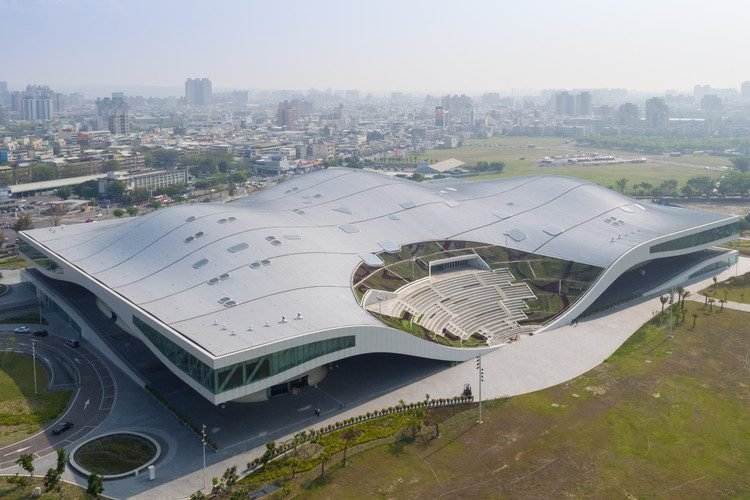
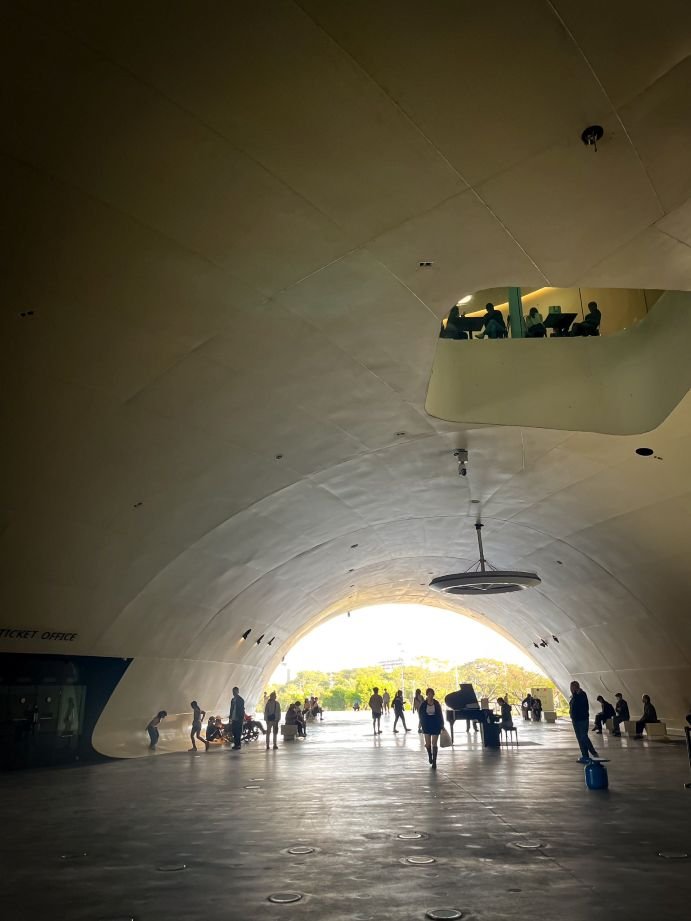
The National Kaohsiung Center for the Arts, also known as Weiwuying, is not just a cultural venue, it’s an experience on its own. Even if you don’t attend a formal performance, simply being there already makes the visit worth it.
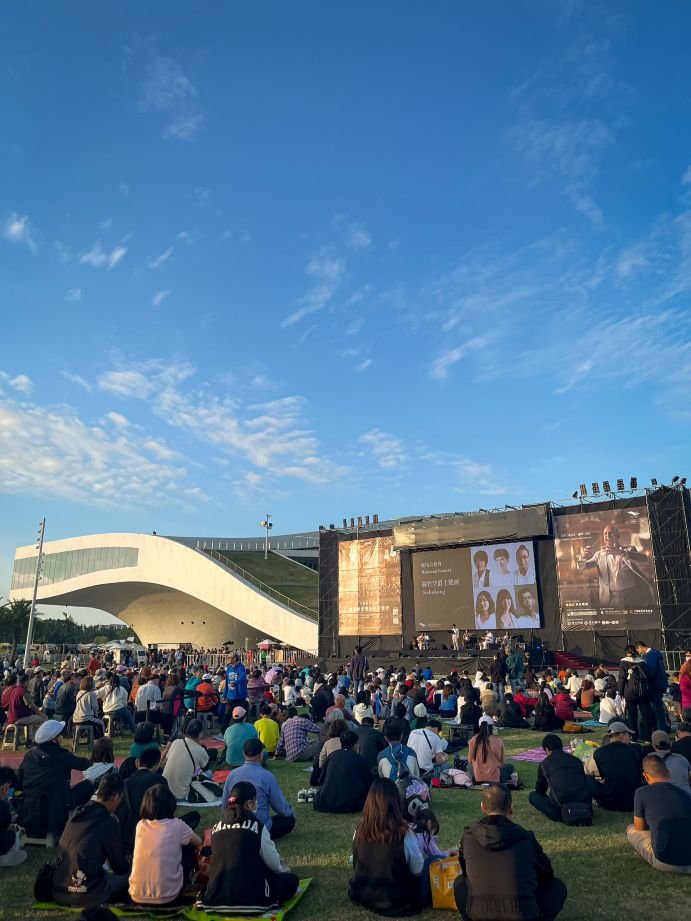
When we visited during New Year, the entire place felt incredibly lively. There were food stalls set up around the open grounds, people sitting on the grass, eating, relaxing, and enjoying the atmosphere together. At one point, there was even an orchestra performing outdoors, and the whole area started to feel like a mini music festival.
Honestly, the vibe reminded us of a Coachella-style setting, but in a very relaxed, family-friendly, and cultural way. Instead of crowds rushing around, people were just taking their time walking around with food, enjoying live music, and soaking in the moment against the backdrop of Weiwuying’s futuristic architecture.
Why Weiwuying is worth visiting:
-
Massive, modern, and iconic architectural design
-
Wide open grounds perfect for events and gatherings
-
Lively atmosphere during festivals and special occasions
-
A great place to relax, walk around, or people-watch
What makes Weiwuying special is how it blends art, community, and everyday life into one space. It doesn’t feel intimidating or exclusive, it feels welcoming, open, and very much part of the city.
This stop is a great reminder that Kaohsiung isn’t just about tourist attractions. It’s also about shared spaces where culture, creativity, and people naturally come together.
🎨 Wei Wu Mi Mi Village
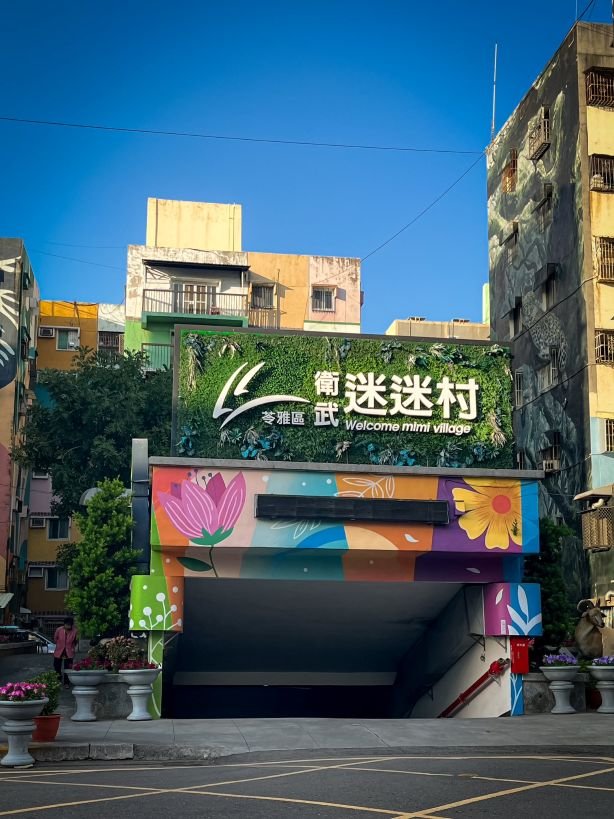
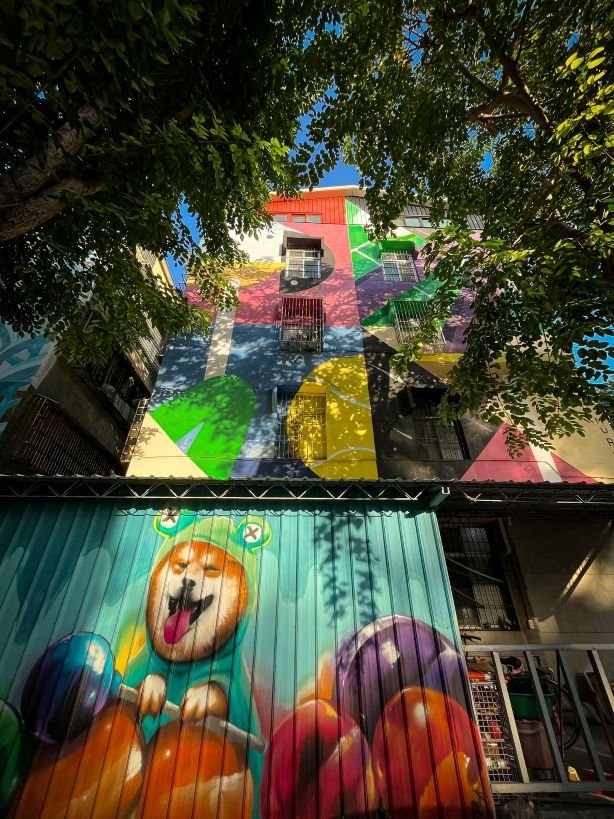
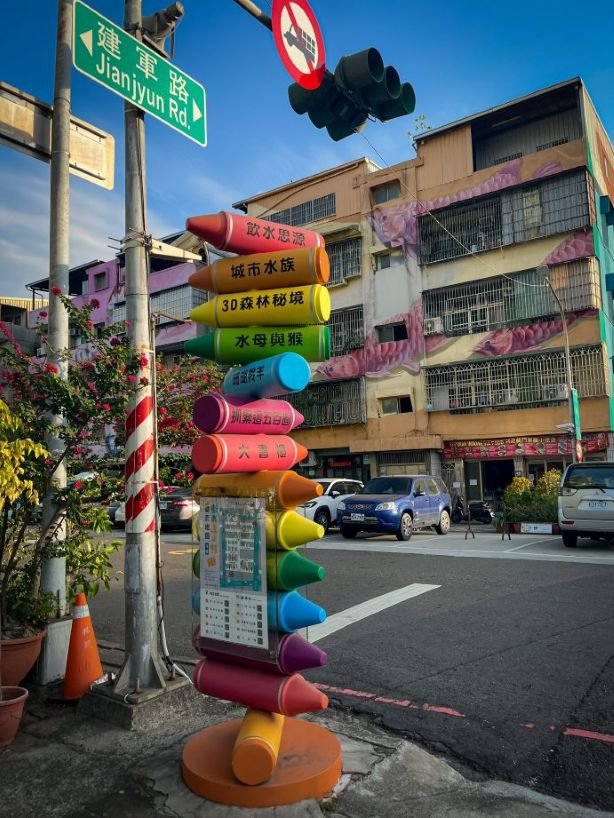
The Wei Wu Mi Mi Village may be small, but it’s full of character and quiet stories. This isn’t the kind of place that tries to impress with size or grand landmarks, instead it draws you in slowly through details, colors, and moments you discover along the way.
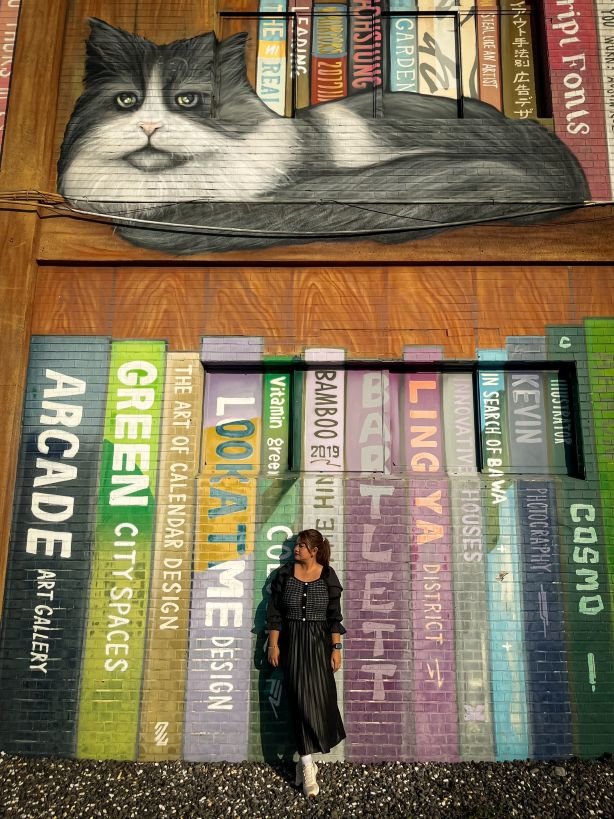
The murals around the village began as part of a community-led art project aimed at revitalizing the neighborhood. Rather than replacing the area with large commercial developments, local artists and residents transformed ordinary walls and streets into canvases. Through these murals, they brought color, creativity, and new life into the community, while still keeping its everyday charm intact.
As you walk through the village, artworks appear unexpectedly on walls, corners, and narrow alleys. Some murals are playful and lighthearted, while others reflect simple, everyday scenes and quiet stories. It doesn’t feel like an outdoor gallery you need to “finish.” Instead, it feels like art that naturally blends into daily life, meant to be discovered slowly as you walk.
Why Wei Wu Mi Mi Village is worth visiting:
-
Community-inspired street murals
-
Art integrated into a real, lived-in neighborhood
-
A calm, relaxed atmosphere with no crowds
-
Easy stop with no pressure to rush
Walking around felt very casual and unforced. You don’t need a map, a schedule, or a checklist—just stroll, look around, and enjoy how creativity quietly transformed the village. It’s a gentle reminder that not all memorable travel moments come from famous landmarks, sometimes they come from places shaped by local stories and shared effort.
🖼️ Kaohsiung Museum of Fine Arts
For a calm and peaceful visit, the Kaohsiung Museum of Fine Arts is a lovely place to spend a slow afternoon.
-
Surrounded by greenery and open spaces
-
Rotating art exhibitions
-
Quiet and less crowded compared to big-city museums
It’s ideal for art lovers and travelers who enjoy slower, more reflective experiences.
Kaohsiung Music Center
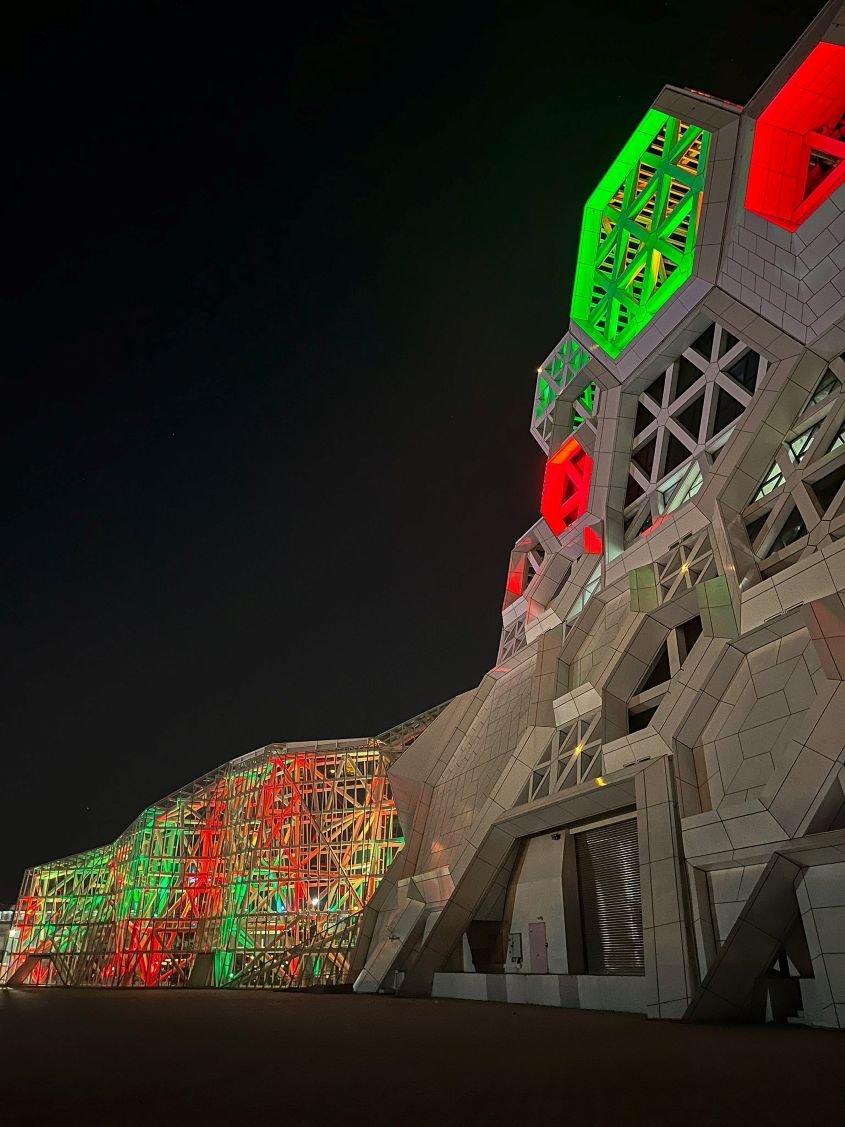
The Kaohsiung Music Center is one of the places that truly shows how modern and forward-looking the city has become. Located along the waterfront, this massive complex stands out with its futuristic design and open layout, making it an easy and enjoyable stop even if there’s no event happening.
What makes this place special is the atmosphere. During the day, it feels spacious and calm, perfect for a relaxed walk by the harbor. At night, the area transforms, the buildings light up, the reflections shimmer on the water, and the whole place takes on a more vibrant, city-at-night feel.
Why Kaohsiung Music Center is worth visiting:
-
Striking, modern architecture
-
Beautiful waterfront views, especially at night
-
Open public spaces ideal for walking and photos
-
A great contrast to temples and traditional sites
You don’t need a concert ticket to enjoy this area. Simply walking around, enjoying the breeze, and taking in the views already makes the visit worthwhile. It’s also a nice place to slow down after a busy day of sightseeing, especially if you want something scenic but not crowded.
The Kaohsiung Music Center perfectly represents the city’s balance between culture, creativity, and urban life. It’s one of those places that makes you appreciate how Kaohsiung blends modern design with livable public spaces, another reason why this southern city is worth visiting.
Hamasen Railway Cultural Park & Takao Railway Museum
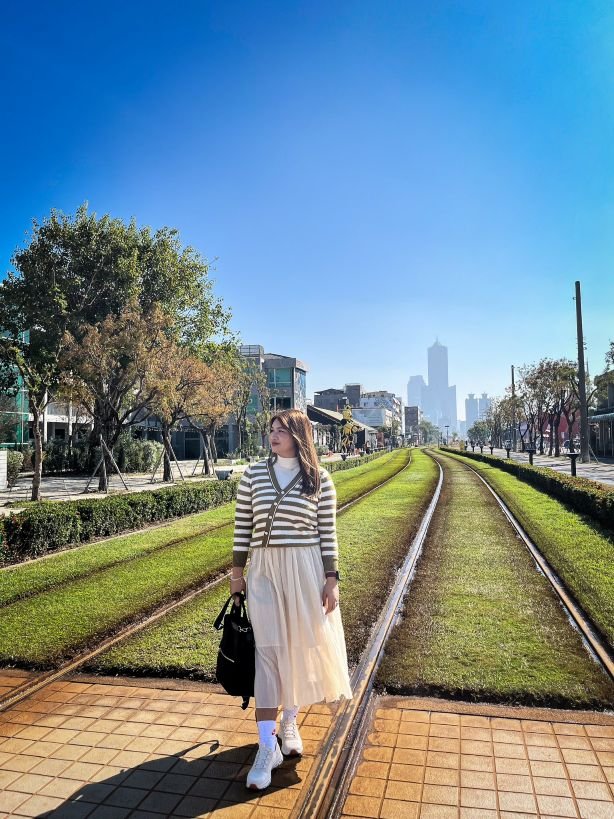
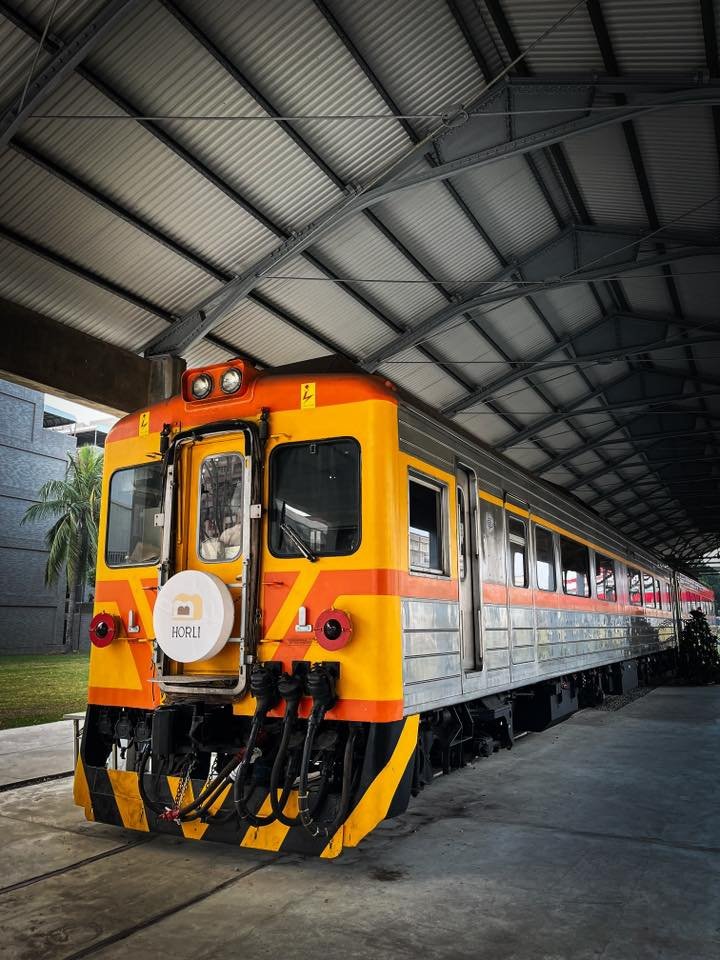
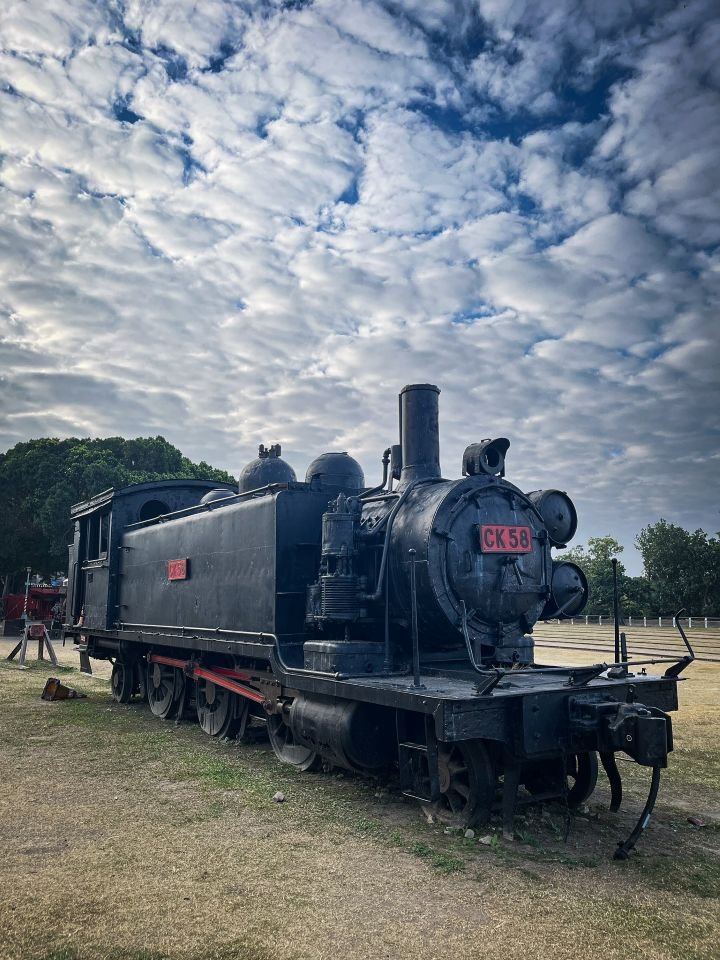
Located near the Pier-2 Art Center, Hamasen Railway Cultural Park and Takao Railway Museum offer a quiet but meaningful glimpse into Kaohsiung’s railway and port history. Instead of removing the old tracks, the city preserved and transformed them into an open public space turning history into something you can actually walk through and experience.
The outdoor park features real railway tracks, old train cars, and wide open walking paths, making it a pleasant stop even if you’re not big on museums. Just nearby, the Takao Railway Museum adds context by explaining how railways played a major role in Kaohsiung’s growth as a port city and industrial hub.
Why Hamasen Railway Park & Museum is worth visiting:
-
Preserved railway tracks and historic trains
-
Open, walkable park with a calm and relaxed atmosphere
-
Educational without feeling overwhelming
-
Easy to combine with Pier-2 Art Center and the harbor area
What made this place even more special for us was how it became part of our daily routine. Since we were staying in the Pier-2 area, Hamasen Railway Cultural Park was just a short walk from our accommodation. We often came here in the mornings, walking along the old tracks while the area was still quiet and peaceful.
During that time of day, you’ll mostly see locals jogging, walking their dogs, or enjoying a slow morning stroll. It didn’t feel like a tourist attraction, it felt like a neighborhood park. Starting our day here set a relaxed tone for the rest of our itinerary and made us appreciate how walkable and livable Kaohsiung really is.
Hamasen Railway Cultural Park doesn’t demand much time, but it adds depth to your trip. It’s a great example of how Kaohsiung chooses to preserve and reuse its history, blending the past naturally into everyday life.
📍 Best Places to Visit in Kaohsiung by Interest
If you’re short on time or trying to decide which places best match your travel style, this quick guide will help you prioritize. Kaohsiung has a good mix of culture, art, food, and relaxing spots—so you don’t need to see everything to enjoy the city.
🌟 For First-Time Visitors
If this is your first time in Kaohsiung and you want the essentials:
-
Dome of Light
-
Liuhe Night Market
-
Cijin Island
These spots are easy to access, beginner-friendly, and give you a great overall feel of the city.
🎨 For Art & Creative Spaces
If you enjoy murals, architecture, and creative communities:
-
Pier-2 Art Center
-
National Kaohsiung Center for the Arts (Weiwuying)
-
Wei Wu Mi Mi Village
These places show Kaohsiung’s creative side and are best enjoyed at a slow, relaxed pace.
🏯 For Culture & History Lovers
If you want to explore Kaohsiung beyond modern attractions:
-
Lotus Pond & Dragon and Tiger Pagodas
-
Fo Guang Shan Buddha Museum
-
Hamasen Railway Cultural Park & Takao Railway Museum
This combination gives you a deeper understanding of the city’s spiritual, cultural, and historical roots.
👨👩👧👦 For Families & Kids
If you’re traveling with kids or want something educational but still fun:
-
National Science and Technology Museum
It’s interactive, indoors, and a great balance between learning and play—especially on hot or rainy days.
🌙 For Relaxed Evenings & Night Views
If you prefer slow nights and scenic walks:
-
Love River
-
Kaohsiung Music Center
Perfect for winding down after a long day of sightseeing without feeling rushed.
🗓️ How to Combine These Attractions in 1–3 Days (Kaohsiung DIY Guide)
Kaohsiung is a very DIY-friendly city, and one of the best things about it is how easy it is to group attractions by area. You don’t need to rush or overpack your schedule, these sample routes are designed to be realistic, relaxed, and flexible, based on how we personally explored the city.
🟢 Option 1: 1-Day Kaohsiung Highlights (Short Visit)
Perfect if you only have one full day or you’re doing Kaohsiung as part of a longer Taiwan trip.
Morning
-
Hamasen Railway Cultural Park
-
Pier-2 Art Center
Afternoon
-
Ferry to Cijin Island (bike around the island)
Evening
-
Dome of Light (Formosa Boulevard MRT Station)
-
Liuhe Night Market
📌 Why this works:
Most spots are near each other, minimal travel time, and you still get culture, art, and food in one day.
🟡 Option 2: 2-Day Relaxed DIY Itinerary (Recommended)
This is ideal if you want to explore without rushing.
Day 1 – Harbor, Art & Island
-
Morning walk at Hamasen Railway Cultural Park
-
Pier-2 Art Center
-
Cijin Island (bike + seafood)
-
Kaohsiung Music Center at night
Day 2 – Culture & City Life
-
Fo Guang Shan Buddha Museum
- Lotus Pond & Dragon and Tiger Pagodas
-
Dome of Light
-
Liuhe Night Market
📌 Why this works:
Balanced pace, minimal backtracking, and a good mix of outdoor and indoor stops.
🔵 Option 3: 3-Day Slow & Flexible Kaohsiung Trip
Best for: travelers who enjoy slow mornings, café breaks, relaxed walks, and spontaneous discoveries without rushing from one place to another.
Day 1 – Harbor, Arts, and Island
-
Pier-2 Art Center
-
Hamasen Railway Cultural Park
- Cijin Island (bike + seafood)
-
Kaohsiung Music Center
- Love River
Day 2 – Nature, Culture & Reflection
-
Fo Guang Shan Buddha Museum
- Lotus Pond, Dragon and Tiger Pagoda
-
Formosa Boulevard - Dome of Light
- Liuhe Night Market
Day 3 – Science, History & Waterfront
-
National Science and Technology Museum
-
Wei Wu Mi Mi Village
-
Weiwuying (National Kaohsiung Center for the Arts)
📌 Why this works:
Keeps the last day light and flexible, perfect before departure.
🔗 Planning Tip
If you want exact MRT/LRT routes, bus tips, and budget breakdowns, check out our Ultimate Kaohsiung DIY Travel Guide: Itinerary Guide where we go step-by-step.
💡 Final Tip for DIY Travelers
Don’t over-plan Kaohsiung. Some of our favorite moments came from morning walks, slow afternoons, and unplanned stops. Keep your schedule flexible and let the city set the pace.
🎆 Spending New Year’s Eve in Kaohsiung: Why Dream Mall Kaohsiung Is a Great Alternative
When people think of spending New Year’s Eve in Taiwan, the first thing that usually comes to mind is Taipei 101. While it’s iconic, it’s also known for extremely dense crowds, long waits, and challenging transportation after midnight, not exactly ideal if you prefer a more relaxed experience.
We’ve personally experienced spending New Year’s Eve at Dream Mall in Kaohsiung, and it turned out to be a surprisingly smooth and enjoyable alternative.
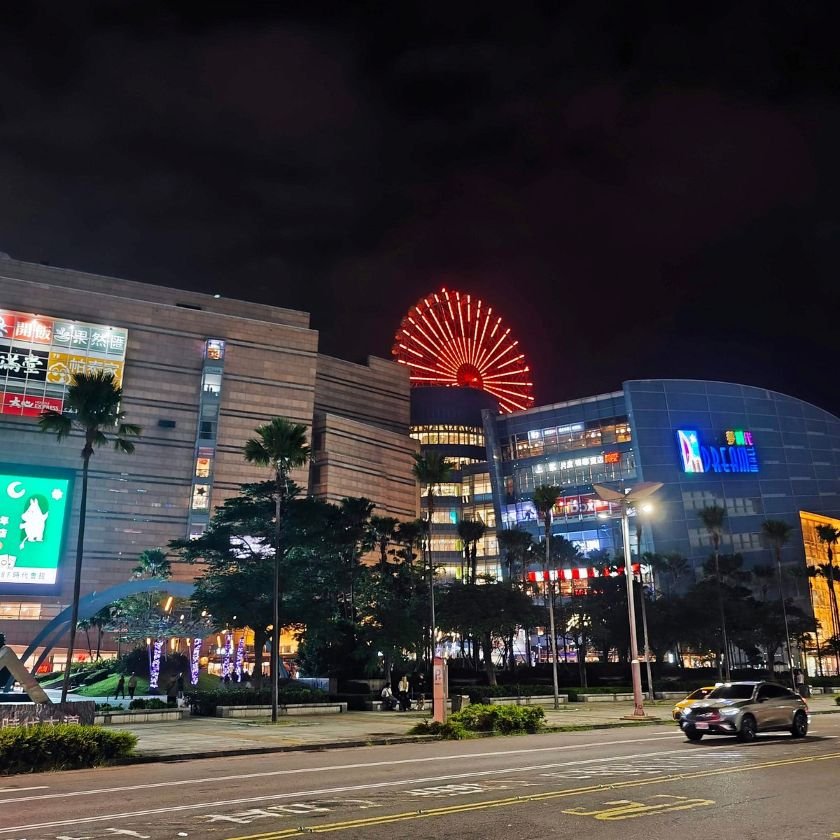
One thing we immediately noticed was the weather. During December and January, Kaohsiung tends to be less rainy and slightly warmer compared to Taipei. Throughout our stay, we didn’t experience any rain at all, which made walking around, waiting for the countdown, and moving between places much more comfortable.
On New Year’s Eve itself, there was a large crowd—but the space around Dream Mall handled it well. The open layout meant people weren’t tightly packed, and movement never felt stressful. The New Year activities felt well coordinated, and the overall atmosphere was lively but not chaotic.
Why Dream Mall worked so well for New Year’s Eve:
-
Less crowded and less intense compared to Taipei 101
-
Weather in Kaohsiung is generally drier and milder during December–January
-
Plenty of food options before and after the countdown
-
Large open spaces that can comfortably handle crowds
-
Going back to the hotel after midnight was smooth and hassle-free
After the fireworks, getting back to our hotel was surprisingly easy. Public transportation and foot traffic flowed steadily, without the long standstills or confusion you often hear about in bigger countdown areas. The whole experience felt organized, calm, and relaxed, exactly what we were hoping for.
If you want to welcome the New Year in Taiwan without the stress of massive crowds, Dream Mall in Kaohsiung is an option worth considering. It’s festive, well-managed, and comfortable. Another example of how Kaohsiung offers great alternatives without the pressure of following the most popular route.
🥉 Final Thoughts: Why Kaohsiung Is Worth Visiting
Before this trip, like many travelers, we mostly associated Taiwan with Taipei and the popular destinations around the north. Kaohsiung wasn’t always part of the conversation. But exploring the southern side of Taiwan showed us a completely different pace of travel, one that’s calmer, less crowded, and refreshingly easy to enjoy.
What made Kaohsiung stand out for us wasn’t just one attraction, but how naturally everything fit together. You can spend your morning walking through old railway parks, your afternoon biking around an island or exploring art districts, and your evening enjoying night markets or quiet waterfront strolls. Nothing felt rushed, and that’s what made the experience memorable.
We loved how Kaohsiung balances:
-
Modern spaces like the Kaohsiung Music Center and Weiwuying
-
Cultural and spiritual sites like Lotus Pond and Fo Guang Shan
-
Creative neighborhoods like Pier-2 and Wei Wu Mi Mi Village
-
Everyday local spaces like Love River and Hamasen Railway Park
Kaohsiung is also incredibly DIY-friendly. Public transportation is easy to use, attractions are well spread out but logical, and you don’t need a tightly packed schedule to enjoy the city. Some of our favorite moments came from simple things—morning walks near our accommodation, unplanned stops, and slowing down to just observe daily life.
If you’re planning a trip to Taiwan and want to see more than the usual route, don’t skip the south. Kaohsiung may not be as talked about as Taipei, but after visiting, it became one of the places that stayed with us the most.
Sometimes, the best travel experiences come from places you didn’t expect and for us, Kaohsiung was exactly that.
Trackbacks/Pingbacks